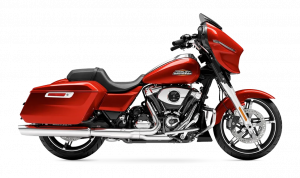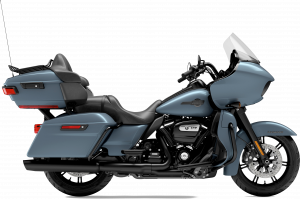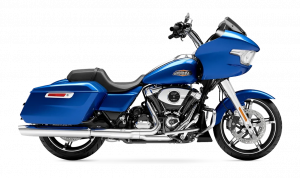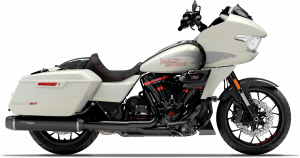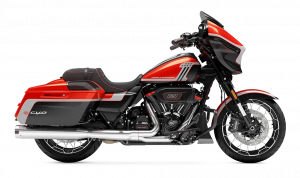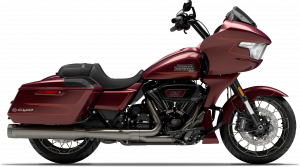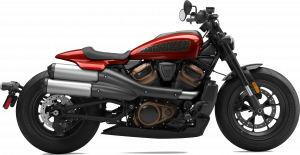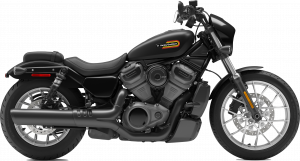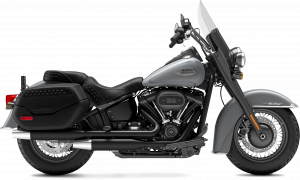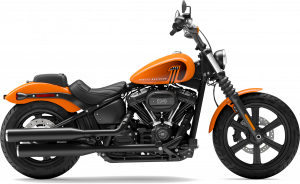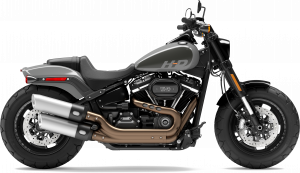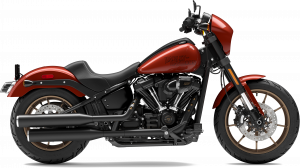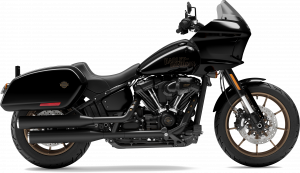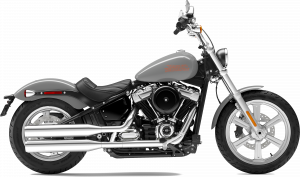

Louder motorcycles aren’t always safer—research shows that exhaust noise does little to prevent accidents or make riders more visible on the road. Studies from organizations like the NHTSA and AMA confirm that visibility, awareness, and proper training matter far more than decibel levels when it comes to rider protection. While models like the Road Glide, Street Glide, and Street Bob deliver the signature Harley-Davidson sound riders love, safety depends on skill and strategy, not just sound.
At Quaid Harley-Davidson, we’re proud to serve riders from Redlands, Yucaipa, and San Bernardino with everything from motorcycle sales to expert service, parts, and customization. Our team is here to help you find the perfect balance between performance, comfort, and safety on the open road. Call or contact us today to learn more about our latest Harley-Davidson lineup and schedule your next visit.
Are Louder Motorcycles Actually Safer for Riders?
Many riders believe louder motorcycles help keep them safe. The idea is simple: if drivers can hear you, they will notice you. But in truth, noise alone does not make the ride safer. Research on motorcycle noise safety shows that extra sound rarely alerts drivers soon enough to prevent a crash. Safety depends more on being seen and staying alert than on being loud.
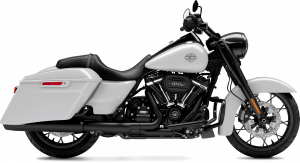
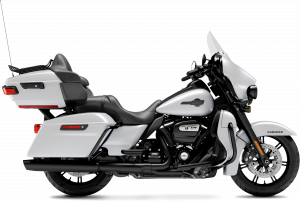
Bikes like the Road Glide and Street Glide have a deep, strong tone that many riders appreciate. That sound adds personality, but it does not replace awareness or skill. A balanced motorcycle with good lighting, responsive handling, and a focused rider offers real protection on the road. Noise may catch attention, but control and visibility are what truly keep riders safe.
Why Do Some Riders Believe Noise Improves Safety?
The idea that a louder motorcycle means a safer ride has been around for decades. Many riders think more sound helps drivers notice them sooner, especially in heavy traffic. The belief often comes from personal stories and not from proven facts. Studies on louder motorcycles safety research show that while noise feels like protection, it rarely prevents accidents.
The phrase “loud pipes save lives” became popular in the motorcycle community over time. Riders wanted a way to stand out on crowded roads and express their style. Some believe that a strong exhaust note gives them a better chance to be seen or heard. It feels empowering, especially when riding a bold bike like the Street Bob, known for its raw and classic sound.
This belief continues because noise creates a sense of control. When you hear the engine roar, it feels like you command attention. But that sense of safety can be misleading. Most drivers in cars hear very little from outside because of insulation and background noise. Sound alone cannot take the place of awareness, visibility, or skill on the road.
What Does Science Say About Motorcycle Noise and Safety?
Research shows that louder does not always mean safer. While a deep exhaust note might sound powerful, sound fades fast once it leaves the bike. Studies on rider safety and sound levels found that most car drivers cannot hear motorcycles until they are already close. By that point, noise offers little warning time.
A sound level above 95 decibels may grab attention for a short moment, but it also brings other risks. Long-term exposure to loud noise can harm hearing, increase stress, and reduce focus. Experts in traffic safety note that what saves lives is visibility and awareness, not more sound.
Tests show that a passing motorcycle’s noise often travels backward, not forward. This means the driver in front, who poses the highest danger, may not hear the bike at all. Even models known for their smooth yet strong tone, like the Road Glide, show that control and skill play a bigger role in safety than volume alone.
Key research takeaways include:
- Noise direction: Most exhaust sound travels behind the motorcycle, limiting how well others hear it.
- Driver awareness: Modern car cabins block much of the outside noise.
- Effective safety tools: Bright gear, LED lights, and smart lane positioning help more than sound alone.
- Hearing impact: Extended noise over 85 decibels can lead to long-term hearing damage.
Science continues to show that safety comes from being seen and alert, not just from being heard.
Can Loud Pipes Create New Safety Risks Instead?
While some riders believe loud exhausts make them safer, the opposite can happen. Excessive noise can distract both the rider and other drivers. A deep rumble may sound exciting at first, but it can mask other sounds that are key to staying alert. Sirens, horns, and nearby vehicles may be harder to hear when the exhaust is too loud.
The muffler’s noise impact plays a major role here. When it’s removed or replaced with a louder system, it changes how sound spreads. The result is often stronger noise near the rider, not in front where it might help. Prolonged exposure can also cause fatigue and reduce reaction time during long rides.
In tests and rider feedback, even popular touring bikes like the Street Glide show that comfort and control can suffer when noise levels rise. The vibration and echo from loud pipes can make it harder to stay focused, especially in city traffic or tunnels.
Too much sound can also draw negative attention:
- Noise violations: Some states issue fines for exhausts over local noise limits.
- Public backlash: Constant loud pipes may make drivers less patient or cooperative.
- Rider fatigue: Higher decibel levels can lead to headaches or stress on longer rides.
- Reduced focus: Excessive sound can drown out signals from other vehicles.
In the end, staying safe is about balance. A clean, well-tuned exhaust with a proper muffler keeps your bike running strong without trading awareness or comfort for noise.
What Are Proven Ways to Improve Rider Safety Without Relying on Noise?
Many studies show that rider safety depends more on awareness and visibility than on sound. Riders who stay alert and visible tend to avoid more accidents, no matter how loud their bikes are. Safety gear, road skills, and smart habits make the biggest difference.
Here are proven ways to stay safer on the road:
- Wear bright, reflective gear: Visibility matters most, especially at night or in low light.
- Use your headlight at all times: A steady light helps drivers see you sooner.
- Keep proper lane position: Stay in the part of the lane where drivers can spot you in their mirrors.
- Do regular bike checks: Inspect your brakes, tires, and lights before every ride.
- Practice defensive riding: Expect that other drivers might not see you and plan your moves early.
A well-maintained motorcycle, such as a Street Bob, offers strong control and balance, which can also boost safety. Handling and braking response are easier to manage when the bike is tuned correctly.
Real protection starts with being seen, being steady, and staying alert. These steps build confidence and reduce risk far more effectively than extra noise ever could.
How Does Excessive Noise Affect Communities and Rider Reputation?
Loud motorcycles can draw attention, but not always in a good way. Excessive noise can upset nearby homes, disrupt sleep, and create tension between riders and the community. Over time, this noise can also harm a rider’s own hearing, leading to motorcycle auditory risks that affect balance and awareness.
Constant exposure to high decibel levels can:
- Cause long-term hearing loss or ringing in the ears
- Reduce focus and increase fatigue on longer rides
- Make it harder to hear emergency sirens or other vehicles nearby
Even bikes with deep, rich sound, like the Road Glide, can become too loud if the exhaust is altered or poorly tuned. When riders respect local noise laws and keep their bikes well-maintained, it helps protect hearing and public goodwill.
A balanced sound is still part of what makes riding enjoyable. But when the noise crosses a line, it can harm both your hearing and the reputation of riders everywhere.
What’s the Real Key to Staying Safe on a Motorcycle?
The real key to safety is awareness, not noise. Many experts in motorcycle noise safety agree that being seen and staying alert matters far more than how loud a bike sounds. Safe riders plan ahead, ride smart, and know their surroundings.
True safety comes from combining skill, awareness, and preparation. Riders who stay focused on these areas tend to have fewer close calls:
- Skill: Take time to practice turns, braking, and quick stops.
- Awareness: Watch traffic flow and keep space around you.
- Visibility: Use lights and bright gear so drivers notice you sooner.
- Maintenance: Check tires, brakes, and fluids often to keep control steady.
Whether you ride a Road Glide, Street Glide, or Street Bob, each model is built for stability and control when cared for properly. The smooth handling of these bikes can enhance safety when matched with sharp focus and defensive riding habits.
Noise may turn heads, but smart riding habits save lives. Staying visible, alert, and confident is what keeps riders safe mile after mile.
Are louder motorcycles actually safer because they make drivers notice them more?
No. Research on motorcycle noise safety shows that sound rarely reaches the front of nearby vehicles, where it would actually help alert drivers. Visibility and rider awareness have a far greater effect on reducing crashes.
What decibel level is considered dangerously loud for motorcycle mufflers?
Noise above 85 decibels can cause gradual hearing loss with long exposure. Many stock motorcycles run below this range, but modified pipes can reach 95 to 110 decibels or more, which can be harmful without ear protection.
Can louder exhausts impair rider hearing or long-term health?
Yes. Constant exposure to loud exhaust noise can lead to hearing damage, ringing in the ears, and fatigue. These issues reduce focus and reaction time, which can affect rider safety over time.
Are there legal limits on motorcycle noise and will loud pipes get you ticketed?
Yes. Most states limit motorcycles to around 80 to 84 decibels at specific testing speeds. Exceeding that limit or removing mufflers can result in fines, failed inspections, or repair notices.
What are safer alternatives to increasing loudness for visibility (lights, gear, riding position)?
The most effective ways to be noticed include:
- Wearing bright or reflective clothing
- Using headlights both day and night
- Keeping proper lane position to stay visible in mirrors
- Maintaining steady, predictable movement in traffic
For riders, knowing these answers helps balance safety with respect for the road and community. Awareness and visibility, not volume, are what make the biggest difference in staying safe.
Find Your Next Ride at Quaid Harley-Davidson
Riders across Redlands, Yucaipa, and San Bernardino can rely on Quaid Harley-Davidson for expert support, service, and a wide selection of motorcycles. Our lineup includes the Road Glide, Street Glide, and Street Bob, all built for comfort, control, and bold style.
If you’re curious about pricing, you can get a quote to see current offers and options tailored to your needs. Once you know what works best, you can apply for financing online or with our team to explore easy payment plans. When you’re ready to experience the ride firsthand, you can schedule a test ride to feel the handling, power, and comfort of your preferred model.
For more information or personalized assistance, contact us or visit Quaid Harley-Davidson. Our team is ready to help you find the perfect bike and answer any questions about performance, safety, and features.
Get Directions to Quaid Harley Davidson
Disclaimer: All information is provided for general informational and entertainment purposes only. While we strive for accuracy, we cannot guarantee that all content is complete, current, or error-free. Any reliance you place on such information is strictly at your own risk. This article may include opinions and is not endorsed by, or officially affiliated with, any vehicle manufacturer or brand. Always consult official sources – such as the vehicle’s owner’s manual, authorized dealerships, or certified professionals – for the most up-to-date and personalized information.