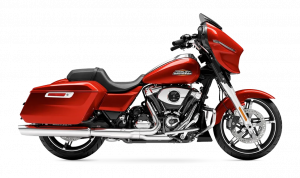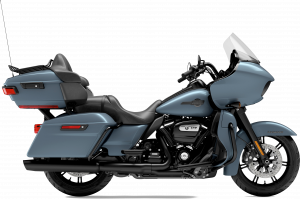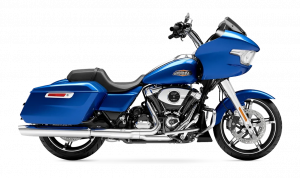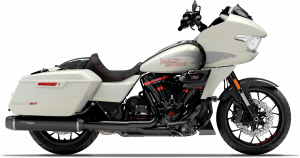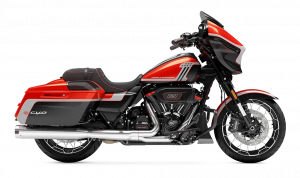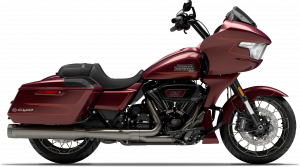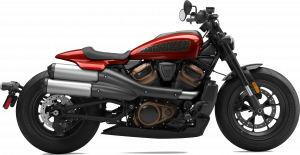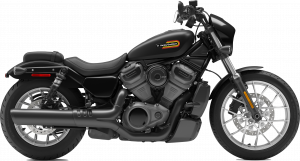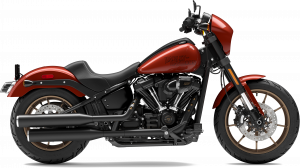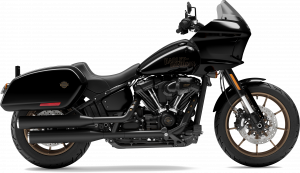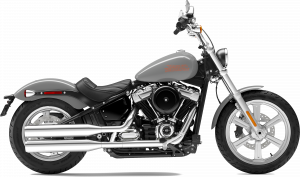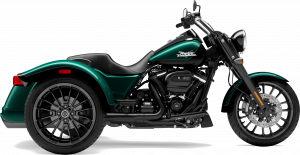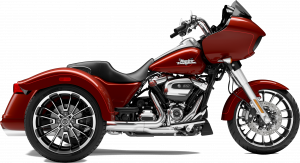
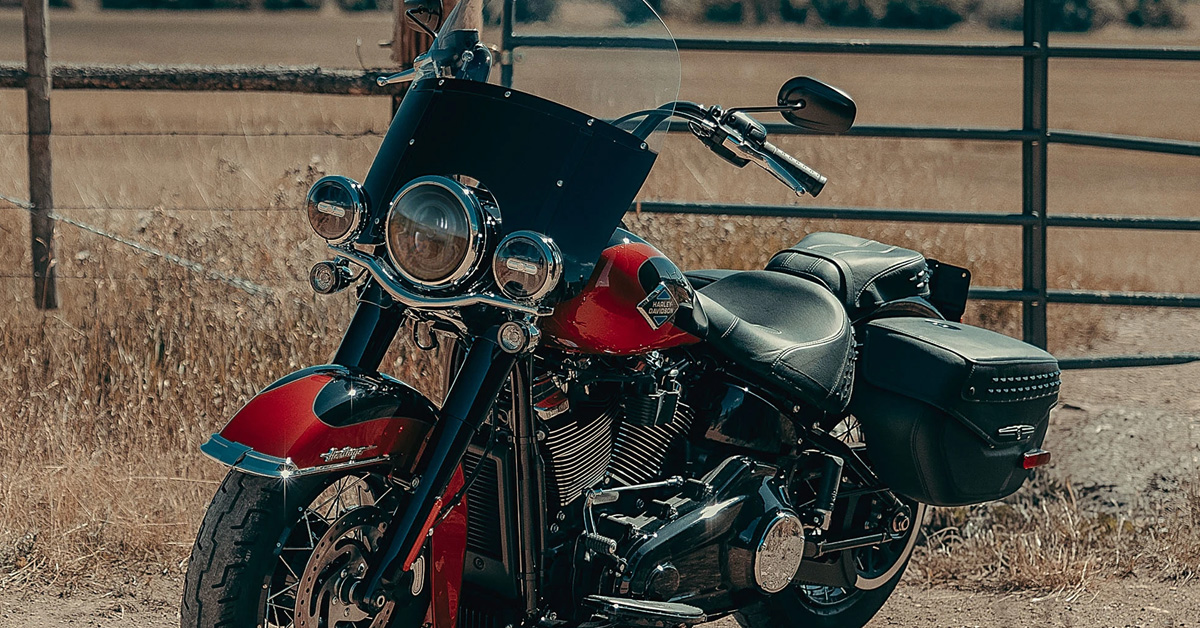
Knowing when to trade in a motorcycle often comes down to clear warning signs, rising repair costs, outdated safety features, high mileage, declining comfort, and a bike that no longer fits your riding goals. When maintenance expenses start to outweigh value, fuel efficiency drops, or your old motorcycle struggles to keep up with how and where you ride today, it may be time to consider a used motorcycle or a newer model that better matches your needs in 2026. These seven signs help riders decide when it makes financial and practical sense to move on from a motorcycle with high mileage. At Quaid Harley-Davidson, we are here to help riders navigate every step of that decision with confidence. From finding the right motorcycle to expert service, genuine parts, and ongoing support, our team is committed to keeping you on the road and riding happy. Visit or contact Quaid Harley-Davidson today to speak with our knowledgeable staff and get the assistance you need for sales, service, parts, and more.
Why Riders Are Asking “Should I Trade in My Motorcycle in 2026?
Many riders start asking this question when their old motorcycle no longer feels reliable or fun. Repair bills rise, ride quality drops, and trust in the bike fades. Riders want clear signs that show when to trade in motorcycle ownership for something newer. The goal is simple, ride more and worry less. Changes in riding needs also drive this question. A bike that once fit daily life may not suit longer trips or new goals. Comfort, safety, and ease of use matter more over time. Riders want a motorcycle that fits how they ride now, not years ago. Common reasons this question comes up include:
- Rising repair costs that strain monthly budgets
- More shop time and fewer miles on the road
- Lower fuel use from engine wear
- A desire for newer safety features
For many riders, timing matters. Trading before problems grow can protect value. Waiting too long often leads to stress and lost riding time. Knowing when to trade in motorcycle ownership helps riders stay focused on the road ahead.
Are Frequent and Costly Repairs a Sign to Trade in an Old Motorcycle?
Frequent repairs are one of the clearest signs to trade in old motorcycle ownership. When shop visits become routine, trust in the bike starts to fade. Costs add up fast, even for small fixes. Riding should feel free, not stressful. Many riders face a hard choice when repair bills climb. Paying for major work can cost more than the bike is worth. At that point, moving to a used motorcycle may offer better value. Fewer repairs often mean more time riding. Common repair issues that signal trouble include:
- Engine leaks or loss of power
- Brake or clutch problems that return often
- Electrical faults that are hard to track
- Parts that are costly or hard to find
When repair costs rise each year, value drops. Waiting too long can reduce trade options. Acting early helps riders avoid bigger bills. It also opens the door to a smoother, safer ride.
Is Poor Fuel Efficiency Telling You It’s Time to Sell Your Old Motorcycle?
Poor fuel use is often a quiet warning sign. Engines lose strength as parts wear down. A motorcycle with high mileage may burn more fuel with each ride. That change can strain both budget and trust. Fuel loss tends to grow over time. Small drops in miles per tank add up fast. Riders may plan trips less or ride fewer days. Less riding takes away the joy of owning a bike. Signs fuel use may point to a trade include:
- Fewer miles between fill ups
- Rough starts or slow throttle response
- Higher fuel costs each month
- Lower power at steady speeds
A smart motorcycle trade-in guide 2026 focuses on long term cost, not just engine life. Newer bikes often use fuel better and ride smoother. Making a change early can save money. It also helps keep every ride fun and stress free.
Does Your Motorcycle Lack Modern Safety Technology You Need Today?
Safety needs change as roads and traffic grow busier. Many riders ask, should I trade in my motorcycle when safety feels limited. An old motorcycle may still run well but lack key features. That gap can affect control and peace of mind. Newer bikes offer tools that help riders react faster. These systems can reduce risk during sudden stops or wet roads. Riding feels calmer and more stable. Safety support matters on short trips and long rides. Common safety features missing on older bikes include:
- Anti lock brakes for firm stops
- Traction control for slick roads
- Brighter lights for night rides
- Better signals and alerts
When safety tech feels outdated, confidence drops. Trust in the bike matters as much as power. Upgrading can help riders feel ready for today’s roads. Comfort and control often go hand in hand.
Have You Outgrown the Performance and Capabilities of Your Current Bike?
Riding skills grow with time and miles. A bike that once felt fast may now feel limited. When power, handling, or control no longer excite you, it may be time to sell old motorcycle ownership. Growth often brings new goals. Many riders reach a point where the bike cannot keep up. Throttle response may feel slow. Handling may lack bite on curves. A used motorcycle with stronger features can match rising skill levels. Signs performance limits are holding you back include:
- Slow pull at highway speed
- Weak response during quick moves
- Limited control on curves
- Suspension that feels soft or worn
When riding feels flat, interest fades. The right bike should build skill and joy. Upgrading can renew both. A better fit often leads to better rides.
Is Long-Distance Comfort Becoming a Problem on Your Motorcycle?
Comfort is key for long rides, yet an old motorcycle may start to feel cramped or rough. Seats, grips, and wind protection can wear down over time. Riders often ask when to trade in motorcycle ownership to regain comfort. Fatigue, aches, and poor posture signal it may be time for a change. A motorcycle with high mileage may have worn suspension or seats that no longer cushion well. Small discomforts can turn short trips into chores. Upgrading can restore smooth rides and reduce strain. Enjoyment and safety improve together when comfort is right. Signs long-distance comfort is declining include:
- Sore back or wrists after short rides
- Seat padding worn or uneven
- Poor wind or weather protection
- Suspension that feels stiff or harsh
Comfort affects every ride, not just long trips. Addressing these issues early can keep riding fun. The right bike makes miles feel easy and enjoyable.
Is High Mileage Reducing Reliability and Trade-In Value?
High mileage can be one of the strongest signs to trade in old motorcycle ownership. Even a well-kept bike may face worn parts and higher repair costs. Reliability can drop quietly, leaving riders stranded at the worst times. Trade-in value also tends to fall as mileage rises. An old motorcycle with many miles may still run, but risks of bigger mechanical problems grow. Timing the trade can protect value and save stress. Riders often benefit by selling before major failures occur. Common high-mileage issues include:
- Engine wear that affects smoothness and power
- Transmission or clutch that slips or drags
- Suspension or brakes that show heavy wear
- Electronics or sensors that fail more often
Knowing these signs helps riders plan a smoother transition. Acting early keeps options open and avoids costly repairs. High mileage doesn’t mean the end, but it signals caution.
Does Your Motorcycle No Longer Match Your Lifestyle or Riding Goals?
Riding habits and goals can change over time. A bike that once fit daily life may no longer meet new needs. Many riders consult a motorcycle trade-in guide 2026 to see if a switch makes sense. Upgrading to a used motorcycle that matches your current lifestyle can bring more enjoyment and flexibility. Changes in lifestyle or riding style often show up slowly. You may need more cargo space, a passenger seat, or better performance for long trips. Your old bike may limit what you want to do on weekends or daily rides. Signs your motorcycle no longer fits include:
- Lack of storage for gear or luggage
- Limited comfort for passenger rides
- Poor handling on roads you now frequent
- Style or performance that no longer excites
Matching your bike to your lifestyle keeps riding fun. A change can help you take on new trips, terrain, and adventures. Choosing the right replacement preserves both safety and enjoyment.
How Does a Motorcycle Trade-In Guide for 2026 Help You Decide What’s Next?
A motorcycle trade-in guide 2026 can answer the question, should I trade in my motorcycle. It helps riders weigh costs, comfort, safety, and performance. Even a motorcycle with high mileage may have value if traded at the right time. The guide shows when upgrading makes sense for your riding needs. Using a guide helps riders compare options and avoid rushed decisions. It highlights trade-in value, repair costs, and features that matter most. Riders can match their current bike to a better fit. Key ways a trade-in guide helps include:
- Estimating fair value for your bike
- Identifying high-cost repairs to consider before selling
- Comparing old motorcycle features to newer models
- Timing a sale to maximize value
Following a guide makes the process clear and practical. Riders gain confidence in their choice. Planning ahead ensures smoother transitions to a newer, more enjoyable ride.
Frequently Asked Questions About When to Trade in Your Motorcycle
What are the most common signs it's time to trade in my motorcycle?
Common signs include rising repair costs, frequent breakdowns, poor fuel efficiency, outdated safety features, high mileage, and discomfort on long rides. Lifestyle changes or needing more performance can also indicate it’s time to move on.
How do I know if my motorcycle repairs are costing too much?
If repair bills start to exceed the bike’s value or you are in the shop more than on the road, it may be costing too much. Regular small repairs that add up quickly are another warning sign.
At what mileage should I consider trading in my motorcycle?
There isn’t a fixed number, but high mileage often signals potential future problems and lower trade-in value. Using a motorcycle trade-in guide 2026 can help determine the best timing.
Does frequent breakdown indicate I should trade in my motorcycle?
Yes. Frequent breakdowns not only add repair costs but also reduce reliability. If your bike spends more time in the shop than on the road, it’s a strong indicator it’s time to sell.
How does age affect my motorcycle's trade-in value?
Older motorcycles typically have lower trade-in value, even if well maintained. Age increases wear on parts and may limit modern safety or comfort features, reducing appeal to buyers.
Should I trade in my motorcycle if it no longer fits my riding style?
Yes. A bike that doesn’t meet your current needs, like carrying passengers or long trips, can make rides less enjoyable. Upgrading ensures your bike fits your lifestyle.
Is declining fuel efficiency a sign to trade in my old motorcycle?
Yes. Poor fuel efficiency can signal engine wear, and rising fuel costs make older bikes less economical. Trading in early can save money and improve performance.
How do safety concerns factor into trading in an older motorcycle?
Lack of modern safety features, such as ABS, traction control, or bright lighting, can make rides riskier. If safety feels compromised, it may be time to trade in your bike.
Should I trade in my motorcycle if parts are becoming hard to find?
Yes. Hard-to-find parts increase repair costs and downtime. A newer or used motorcycle with available parts can reduce stress and long-term expenses.
What's the best time of year to trade in a motorcycle for maximum value?
Spring and early summer are often the best times, as demand is higher. Market trends vary by region, so checking local dealerships can help optimize trade-in value.
Can I still get good trade-in value for a motorcycle with cosmetic damage?
Yes, depending on the extent of the damage. Minor scratches or wear may have little impact, but larger dents or rust can reduce trade-in value. Maintenance records can help boost appeal.
Find Your Next Motorcycle at Quaid Harley-Davidson
Riders from Fontana, Rancho Cucamonga, and Colton can visit Quaid Harley Davidson to explore our wide selection of motorcycles. Whether you are looking for an old motorcycle, a used motorcycle, or a motorcycle with high mileage, we have options to fit every need and skill level. Our team is here to help with sales, service, parts, and advice to keep every ride smooth and safe. If you want to know what your current bike is worth, use our Value Your Trade tool to get an estimate and see how it can apply toward a newer model. If safety is part of your decision, learn more about how motorcycle noise affects rider safety and how visibility and awareness play a role on today’s roads If you are curious about how your current bike compares to other models, check out our guide on Used Harley-Davidson Motorcycles: Best & Worst Models 2026. It can help you see which motorcycles hold value, offer comfort, and match your riding style. You can also compare options by reviewing how Harley Davidson motorcycles stack up against Indian models, which helps riders weigh performance, comfort, and long-term value. Contact Quaid Harley Davidson today to speak with our team or schedule a visit.
Get Directions to Quaid Harley Davidson
Disclaimer: All information is provided for general informational and entertainment purposes only. While we strive for accuracy, we cannot guarantee that all content is complete, current, or error-free. Any reliance you place on such information is strictly at your own risk. This article may include opinions and is not endorsed by, or officially affiliated with, any vehicle manufacturer or brand. Always consult official sources – such as the vehicle’s owner’s manual, authorized dealerships, or certified professionals – for the most up-to-date and personalized information.